
The k-means algorithm and its variants are popular techniques of clustering. Their purpose is to uncover group structures in a dataset. In actuarial applications, these methods detect clusters of policies with similar features and allows to draw a map of dominant risks. This working note starts with a review of the k-means algorithm and develops next two extensions to manage categorical features. We develop a mini-batch version that keeps computation time under control when analysing a high-dimensional dataset. We next introduce the fuzzy k-means in which policies can belong to multiple clusters. Finally, we conclude by a detailed introduction to spectral clustering.
Mots-clés : Clustering analysis, unsupervised learning, k-means, spectral clustering.
Secteur : Assurance
Expertise: Machine learning
Auteurs : Charlotte Jamotton,
Donatien Hainaut, and Thomas Hames
Publication: Risks
Date: September 2024
Langue : Anglais
Pages: 28
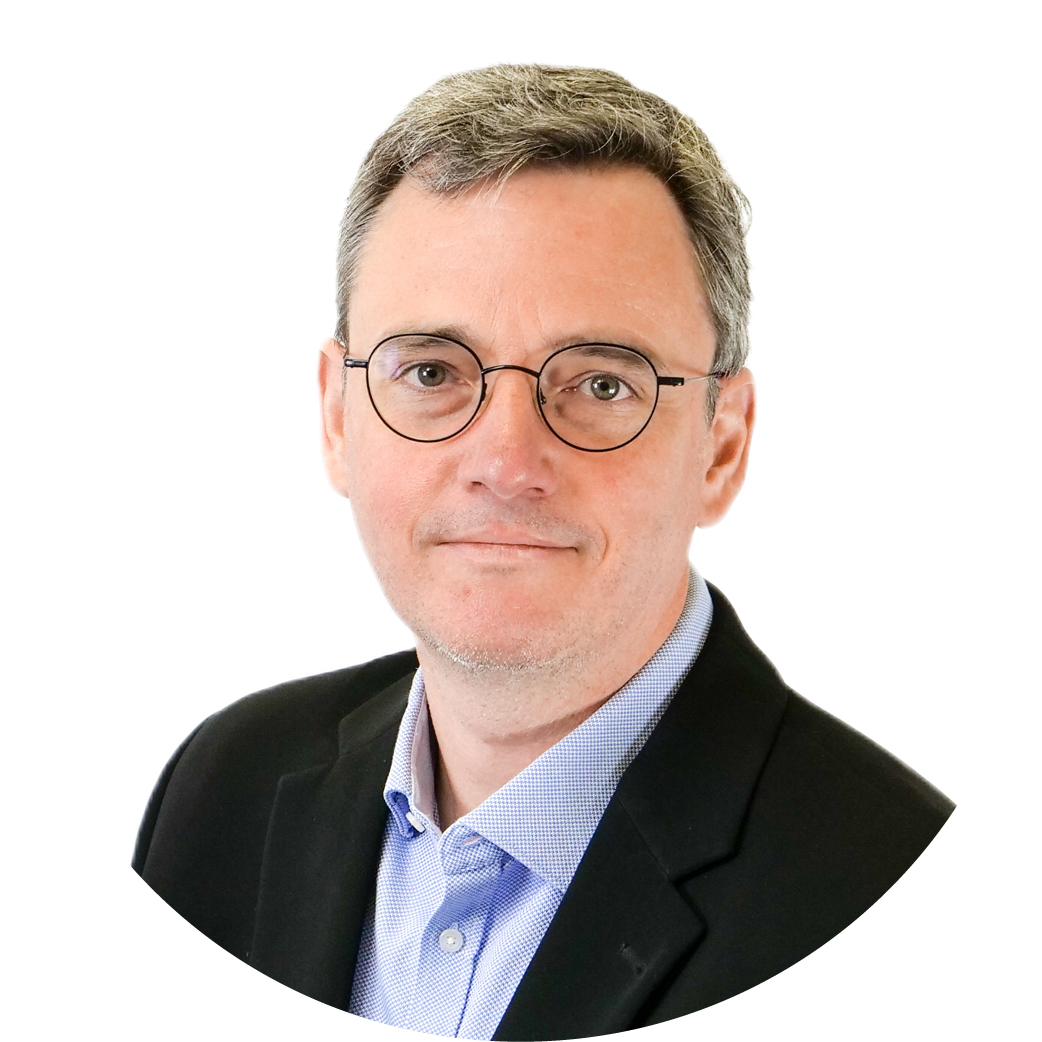
Donatien Hainaut est Conseiller Scientifique chez Detralytics et Professeur à l’UCLouvain (Belgique), où il dirige le Master en Data Science à orientation statistique. Auparavant, il a occupé plusieurs postes académiques, notamment en tant que Professeur Associé à la Rennes School of Business et à l’ENSAE à Paris. Il possède également une solide expérience en entreprise, ayant travaillé comme Risk Officer, Quantitative Analyst et ALM Officer.
Actuaire qualifié et titulaire d’un doctorat en Asset and Liability Management, ses recherches actuelles portent sur les mécanismes de contagion dans les processus stochastiques ainsi que sur les applications des réseaux de neurones en assurance.
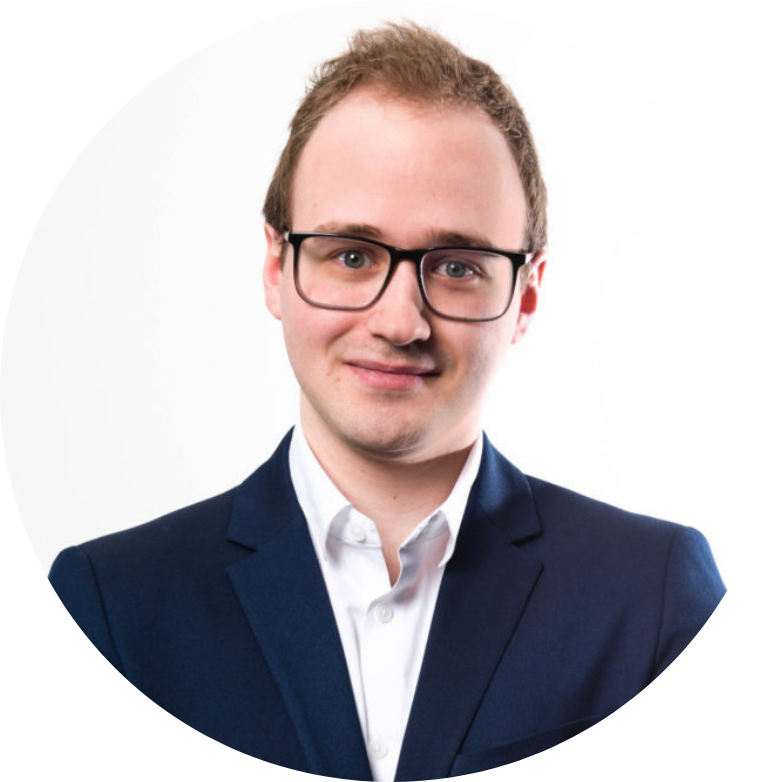
Depuis son arrivée chez Detralytics en 2019, Thomas a principalement travaillé sur des sujets de tarification et de provisionnement en assurance Non-Vie et Automobile de détail, en combinant des méthodes classiques avec des approches basées sur le machine learning.
Par ailleurs, en interne, Thomas participe au développement technique et commercial de notre package de micro-provisionnement et assure la supervision des projets de notre Innovation Lab.

Charlotte is a PhD Student in Actuarial Science at UCLouvain.

